This guide was written by the Rinse team with fabric care expert Dan Eisen.
Introduction
If you've ever struggled to remove a deodorant stain from a white shirt, you know how frustrating it can be. But fear not; removing a sweat stain isn't too complicated if you know which steps to follow.
One thing you need to keep in mind when dealing with a sweat stain is not to scrub the fabric too hard. You don't want to damage your clothes in the process of trying to remove a stain.
Instead, use special cleaners like vinegar and dish soap to tackle these stubborn stains. Below, we take a look at some tried and tested methods to remove a deodorant stain.
What Causes Sweat Stains?
The simple answer would be sweat. But there are more than one culprit.
The first is your body's sweat, which contains salt and other minerals. Sweat is largely composed of water, but also has electrolytes like potassium and sodium. Upon evaporation, these minerals leave behind stains.
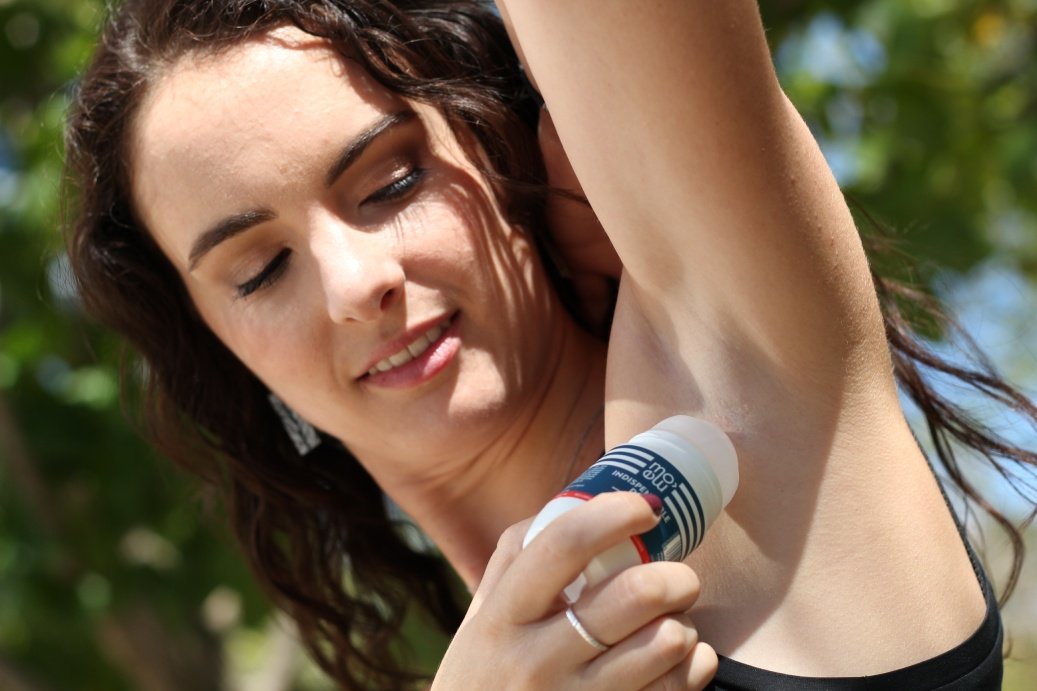
The second cause is using a deodorant or antiperspirant. Some products contain aluminum chloride, which can react with sweat, causing yellow or white stains.
Your body oils and bacteria also contribute to this by breaking down the compounds in sweat and antiperspirants. These byproducts can discolor your clothes.
Some fabric types are also more prone to staining than others. For example, natural fibers, such as cotton, aren't as susceptible to sweat stains. On the other hand, synthetic fabrics and silk tend to retain stains.
Fabric care expert Dan Eisen adds some detail on why perspiration is so hard on clothing. Perspiration is made up of fatty acids and chloride salts, and depending on your body chemistry those can both discolor the dye and weaken the fabric itself, while the breakdown of the fatty acids is what produces the odor. Its chemistry also changes over time. A fresh perspiration stain is acidic, but as it ages it turns alkaline and oxidizes, and that oxidation is what leaves the yellow rings you see on an older underarm stain. It is the main reason an old stain is harder to remove than a fresh one, and why letting it sit works against you.

5 Methods to Remove Armpit Stains
As we've already mentioned, you'll need specific materials to remove armpit stains. Let's take a look at some methods that use everyday household items.
It helps to know why several of these work. Modern enzyme detergents work well on perspiration when you mix them with warm water, which activates the enzymes. Household ammonia helps because it combines with the fatty acids in perspiration and makes the stain soluble, which is why you may see it foam as you work. Any last traces may need a mild bleach such as hydrogen peroxide. One safeguard matters, though: test ammonia, peroxide, and any bleach on an unexposed area for color safety before you apply them, since the colors in wool and silk are especially sensitive to ammonia and a chlorine bleach stick should never be used on wool or silk.
Method 1: Using Baking Soda
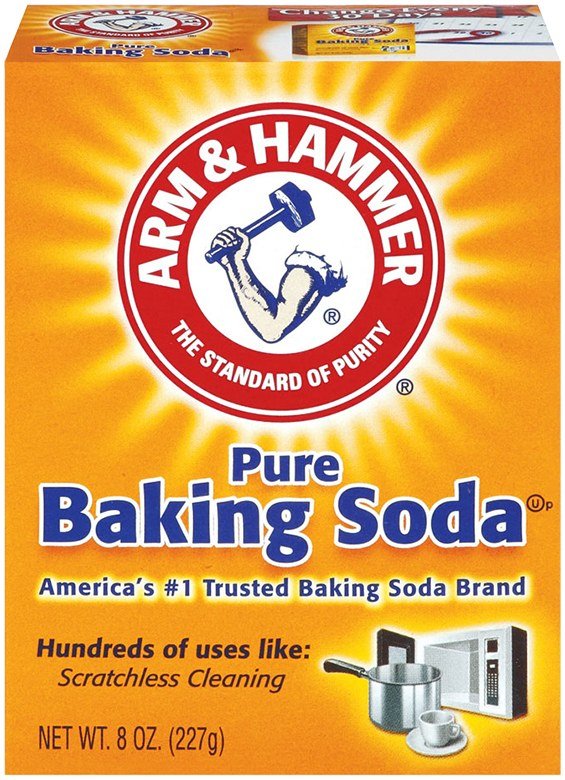
Baking soda has a two-way action on stains. One, it removes them. Two, it deodorizes clothes, making them smell fresh. Here's how to use baking soda on an underarm stain.
Step 1: Make a Paste
Create a paste of baking soda and hydrogen peroxide, mixing one part of each in a bowl. Then, add one part of the water.
If you need to clean the underarms on a single shirt, a quarter cup of each solution should suffice. For multiple shirts, increase the quantity proportionately.
Step 2: Apply the Paste and Let It Sit
Using a toothbrush, apply the paste to the underarm stain. Let it sit for 30 minutes.
Step 3: Rinse
Rinse the shirt in warm water. Do this process twice if the stain is stubborn.
Step 4: Wash in Hot Water
Now, wash the garment in your washing machine as you would normally. Use warm water and your regular detergent.
Method 2: Using White Vinegar and Baking Soda
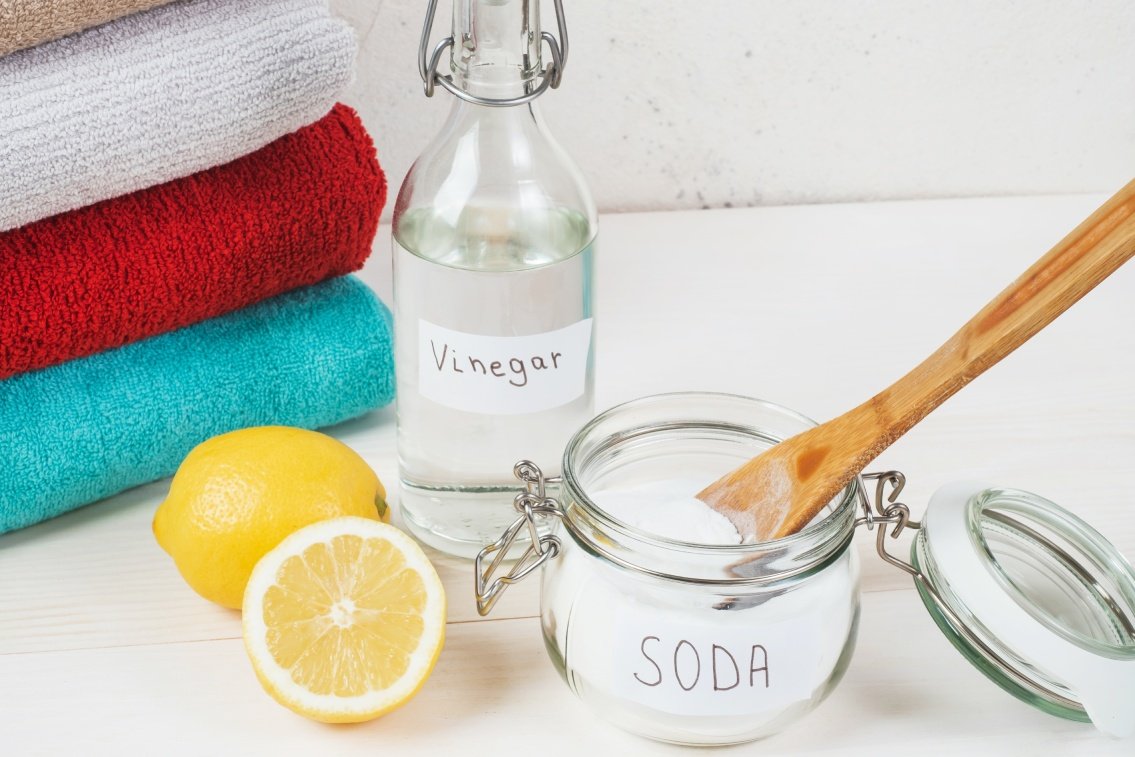
If the stain is a little old, it might have turned yellow. White vinegar comes to the rescue. The acetic acid can help break down the stain and restore your garment to its original color.
Step 1: Soak Your Garment
Start by adding two cups of water to a cup of white vinegar to dilute it. Soak the stain in this solution for about 30 minutes.
Step 2: Wring
Take the garment out and wring it to remove as much liquid as possible.
Step 3: Make a Paste
Create a paste by mixing half a cup of baking soda, a tablespoon of hydrogen peroxide, and a tablespoon of salt. Stir well until it forms a smooth paste.
Step 4: Apply and Let It Sit
Using your fingers or a toothbrush, apply the paste to the underarm stain. Let it sit for 30 minutes.
Step 5: Wash in Hot Water
Wash the garment in the hottest water possible for the fabric. You can use your everyday laundry detergent for the load.
The key is not to dry the garment in the dryer. Instead, line-dry it. The heat from the dryer can set in the stain, making it permanent.
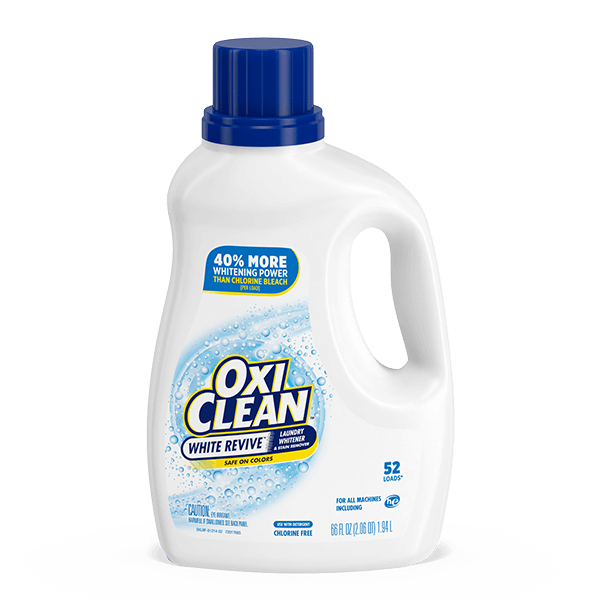
Method 3: Using Oxiclean
We'll preface this section by saying that this method is NOT calling for chlorine bleach. That's the last thing you want to use on a sweat stain. Instead, we're talking about oxygen bleach like Oxiclean.
Step 1: Make a Soak
Make a soak by dissolving a scoop of Oxiclean in two tablespoons of household ammonia.
Step 2: Rub
Rub the affected area for at least 60 seconds with a toothbrush or a soft-bristled brush. Let the solution sit for 10 minutes.
Step 3: Rinse and Wash
Rinse the garment thoroughly and then wash it in cold or hot water. Check if the stain is gone before putting it into the dryer. If it is still present, repeat the same process until the stain is completely removed.
Method 4: Using Lemon Juice
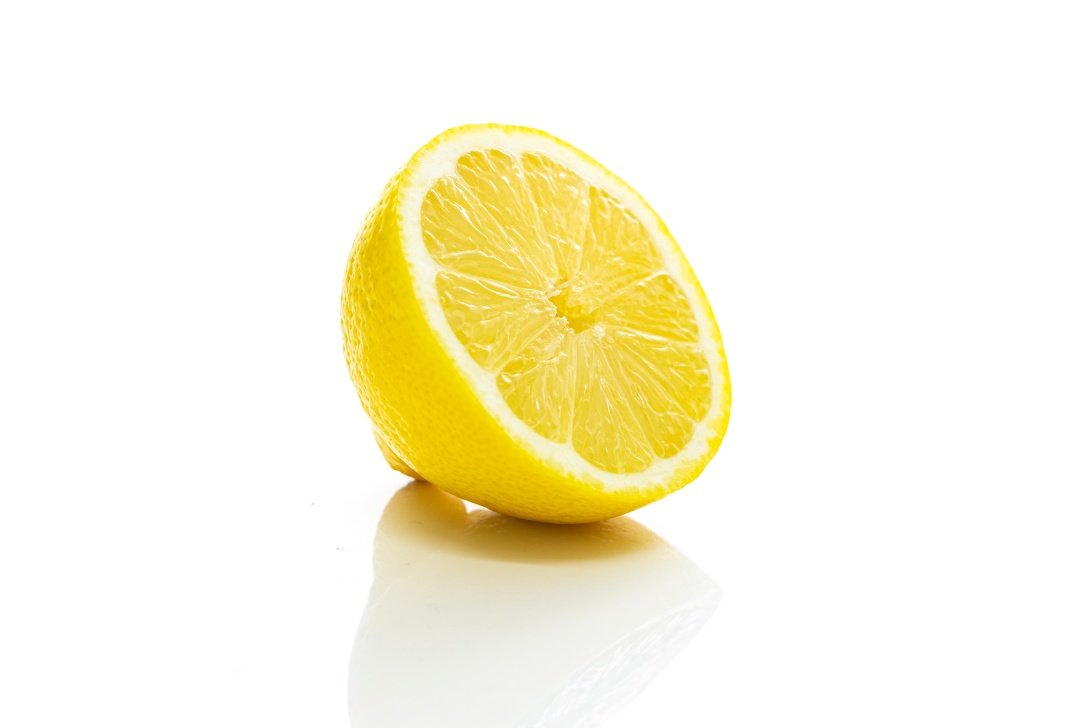
Yes, the good old-fashioned lemon juice can also help remove sweat stains.
Step 1: Make a Solution
Mix equal parts of lemon juice, water, and baking soda to form a paste.
Step 2: Apply the Paste
Work the lemon juice paste into the stain and let it sit for 30 minutes.
Step 3: Wash as Usual
Wash the garment as usual and air dry it. The combination of lemon juice and baking soda will help lift the stain, leaving your clothes smelling fresh.
Method 5: Using Meat Tenderizer
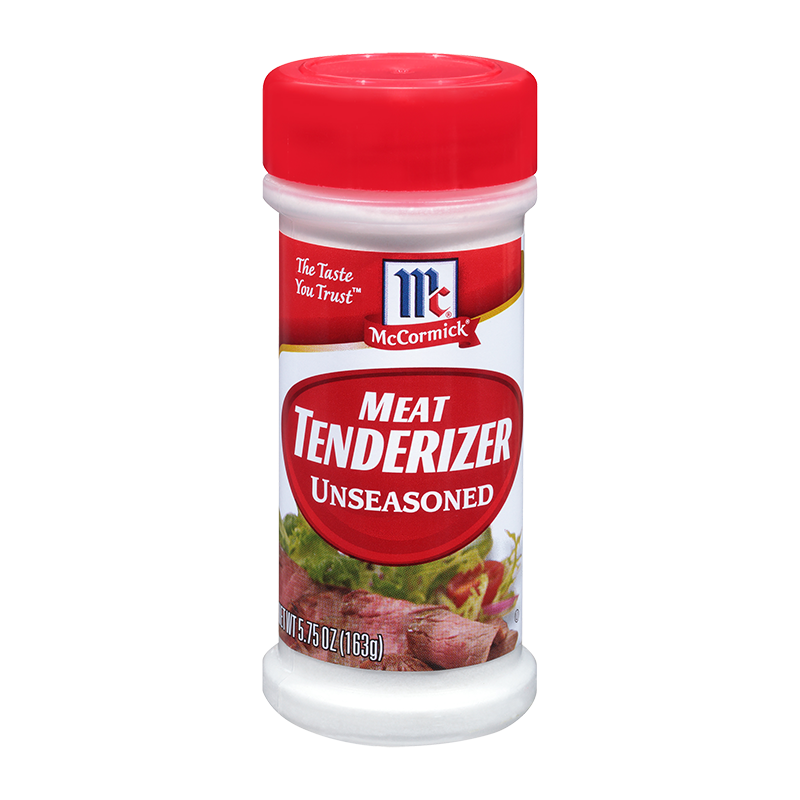
We know this may seem like an odd method, but trust us, it works! A meat tenderizer contains enzymes that break down protein. As Eisen notes, perspiration staining is largely fatty acids and chloride salts, but it also carries some protein and body soil, and that protein is the part these enzymes target. It is one more reason to treat this as a follow-up, after the methods above have handled the fatty-acid side of the stain.
Step 1: Dampen the Stain
Start by dampening the stain with cold water.
Step 2: Apply the Meat Tenderizer
Sprinkle a generous amount of meat tenderizer onto the dampened stain, covering it completely.
Step 3: Let it Sit and Wash
Allow the meat tenderizer to sit on the stain for at least 30 minutes before washing as usual. The enzymes in the meat tenderizer will help break down the proteins in the stain, making it easier to remove during the wash.
Although this method works, you should use it as your last resort. Try lemon juice, baking soda, or white vinegar first.
How to Prevent Armpit Stains: 5 Tips
We've now seen there are a few ways to remove a deodorant stain or sweat marks. But wouldn't it be better if you could just avoid them altogether? Making a few changes to your clothing and deodorant use can help keep sweat stains at bay.
Here are a few tips to help prevent armpit stains in the first place:
-
Use aluminum-free deodorants. One of the main causes of armpit stains is the reaction between aluminum in antiperspirants and sweat. By switching to an aluminum-free deodorant, you can reduce the chances of this happening.
-
Wear breathable fabrics. Although they can occur in winter, sweat stains are most common in summer. Wear cotton or other breathable fabrics, as they allow air to circulate and reduce the amount of sweat trapped in your armpits.
-
Let the deodorant dry. When using stick deodorants, let them dry completely before putting on your clothes. It will prevent them from rubbing off onto your clothes and causing stains.
-
Wear an undershirt. If you know you'll be sweating, wear an undershirt. It will stop sweat from absorbing into your shirt.
-
Don't put stained clothes in the dryer. The heat from the dryer can set in the stains, making it practically impossible to remove them later. Wash and air-dry stained clothes instead.

Experience Impeccable Stain Removal
Sweat stains reward patience and the right sequence, and even then an old, oxidized underarm stain does not always lift at home. When a garment matters, professional stain removal is worth getting right the first time instead of working at it across several laundry days.
Rinse cleaning professionals know which stain remover suits each stain and fabric type, and match the method to the garment so a shirt you care about is handled correctly rather than guessed at.
Book a pickup through the app or a text, and a Rinse Valet collects, cleans, and returns your clothes to your door. For pieces you would not risk in the washer, Rinse also offers dry cleaning. Caring for your clothes becomes a standing part of how you stay ready rather than another job on your list.
Contact us at Rinse today to see our skill in action.
About the expert: Dan Eisen
Dan Eisen is a fabric care expert with more than 35 years in garment analysis and stain removal. He founded the International Independent Garment Analysis Service and served as Chief Garment Analyst for the Neighborhood Cleaners Association International (now National Cleaners Association) from 1968 to 2001.
He co-founded the East Coast School of Dry Cleaning and was Assistant Director of the New York School of Dry Cleaning. He has lectured at the Fashion Institute of Technology and Marymount College, and has consulted on textile care for the Metropolitan Museum of Art, the Brooklyn Museum, and the Elliott Museum in Florida.
His work has been featured in The New York Times, The Wall Street Journal, and Newsday, and he has appeared on David Letterman and CNN. He has cared for garments belonging to public figures including Barbra Streisand, Glenn Close, and Colonel Harland Sanders, writes regularly for National Clothesline and Korean Monthly, holds two patents, and continues to consult on commercial, industrial, insurance, and legal cases worldwide.
Image Source: Church & Dwight Co., Inc., McCormick & Company, Inc.